
No matter if it's tickets or self-checkout machines, talk-back stations or barriers: There is a lot of movement and communication in classic parking systems. These components need regular maintenance and a need for maintenance can quickly grind your parking operation to a halt. Such issues befall many classic parking systems and can lead to a significant increase in cost and frustration.
The main causes for these problems and how modern systems lead to more flexibility, revenue and client satisfaction are outlined in this article.
Contents
Time Is Money: How Maintenance Work Can Grind Parking Operations To A Halt
When Classic Becomes Digital: How Switching To A Modern System Happens Successfully
License Plate Recognition Instead Of Tickets
Why Barriers And Cash In Parking Can Still Make Sense
Time Is Money: How Maintenance Work Can Grind Parking Operations To A Halt
On a well-frequented parking lot hundreds of tickets are bought, dozens of barriers open and close and thousands of Euros flow through checkout machines every day. A high number of moving parts inevitably leads to problems and malfunctions. The most common causes for such issues are:

Tickets
The most common cause for maintenance costs. Tickets regularly lead to problems and temporary or longer term interruptions in parking operations. Empty paper rolls, tickets getting stuck or issues with reading the code, in all of these cases manual aid is required. Tickets also regularly get stored poorly and in turn lost, wet or creased to illegibility.
In cases like these control rooms need to be available at all times to grant support and provide parkers with solutions. A system like that costs time, money and well-trained staff that would be more useful elsewhere.
Cash self-checkout machines
Multiple factors that can lead to malfunctions are at play with cash self-checkout machines. The most common cause is the machine simply being full, rendering further cash payments impossible. While this issue is easily fixed - a member of staff has to be on site to empty the machine and provide it with new change - a process like this needs to be possible 24/7, which costs valuable time and staff. Additionally bank deposits in cash create costs too, which is often overlooked in planning.
Another timesink is blockage by foreign objects. This often happens unintentionally, for example through foreign currency. To solve this issue, staff needs to be onsite quickly. Blockage can however also be a result of willful vandalism. Cash can be an additional incentive for thieves to break machines open and disable them permanently.

Barriers
Barriers were essential in classic parking systems to facilitate a smooth parking process. This component however also holds potential for issues. If there is a failure, parkers can leave the lot without paying, if the barriers stays open. If the barrier stays closed, parkers get locked in on the lot. Both cases require quick action from the operator, to prevent a loss in revenue and dissatisfaction from clients.
Another factor that is often overlooked in the acquisition of barriered systems, is the legal obligation for yearly maintenance checks on moving gates, including barriers, in Austria. In the process, the parking operation has to be halted temporarily and additional costs for the maintenance check arise.
Talk-back stations
The aforementioned problem sources can lead to issues for parkers on the lot, which require quick solutions. To best react to this, operators need to be available at all times during which parking is possible in the facility. This leads to additional cost in money and qualified staff.
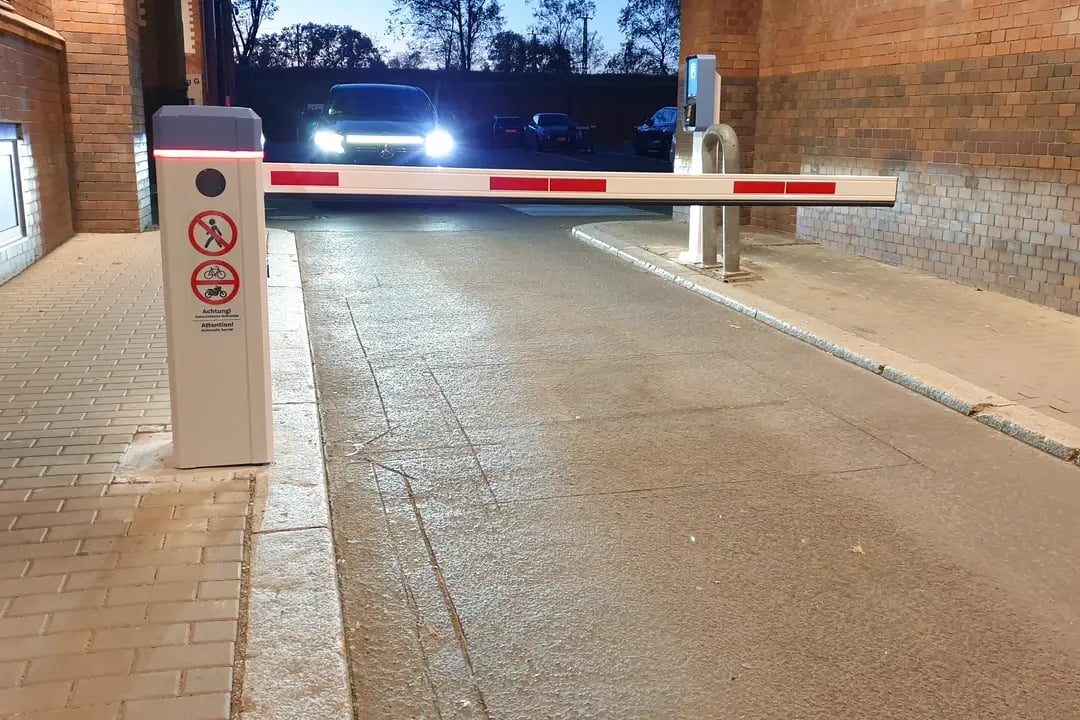
All four components bear risks for a standstill of the entire parking system. If risk-prone parts malfunction, the entire operation often grinds to a halt. Every minute without a functioning system cuts revenue for operators. Especially in remote areas or when there is no staff present at the site, a standstill of up to multiple days is possible.
If spare parts are not available or technicians need to travel hundreds of kilometres to get to the site, a lot of time passes, during which parkers can't enter or exit the lot.

When Classic Becomes Digital: How Switching To A Modern System Happens Successfully
At first glance, a switch from a trusted, but maintenance-heavy system might seem cost-, time- and work-intensive. A change is usually much easier than expected however.
License Plate Recognition Instead Of Tickets
The most efficient solution is to install a system with automated license plate recognition to replace tickets. Cameras at the entry and exit to the lot register the license plates, parkers in turn don't require tickets that can be lost or creased.
The duration and cost of parking are determined automatically. Clients can easily start the payment process by entering their license plate number at terminals directly on site or via connected online tools and parking apps.

Cashless Instead Of Cash
Furthermore a switch to an entirely cashless payment system is recommended. Parkers no longer have the need for exact change and can comfortably pay digitally. With a rise in usage of parking apps, digital payment processes have long since become a part of users' daily lives.
Operators also profit from this change. By forgoing cash, costs in maintenance and staff and bank fees can be minimized.
Freeflow Instead Of Barriers
The future of parking is rounded out by a complete absence of barriers - a so-called Freeflow system. Especially during rush hours this bears the additional advantage of eliminating congestion at the entry and exit gates. Operators are also provided tools for easy and automated demands mangament, to prevent parkers from forgoing payment.
A barrier- and ticket-free parking lot also doesn't need any more talk-back stations. Parkers can no longer be locked into the lot and driving out is possible at all times. This leads to a reduction in workload for staff and less frustration for clients.

Why Barriers And Cash In Parking Can Still Make Sense
In day-to-day operations barriers sometimes have certain advantages, for example in order to provide enough parking spots to long-term parkers. Cash terminals can also be useful, depending on the place of operations. If clients still insist on the ability to pay with coins and bills, providing an additional cashless terminal or payment through an online portal or parking apps is often convenient either way and can aid in the transition to an entirely cashless system.
No matter the reasoning for the use of classic elements in parking systems, relying on a low-maintenance solution is key. Thanks to license plate recognition, the days of ticket usage are definitely over. Loss or illegibility of tickets, tickets getting stuck or rolls being empty are now a thing of the past.
Conclusion
In case of parking operations one thing is certain: little movement in the small parts leads to a lot of mobility in the facility.
Modern Freeflow systems help operators save time and money, manage staff and increase customer satisfaction and revenues. Maintenance is minimized or fully eliminated thanks to the absence of typical problem sources. If some components are still used consciously, it is advisable to trust in efficient and low-maintenance solutions.
Do you want to manage your parking lot efficiently with Arivo? Let's find the right solution for your facility!